
It has been nearly five years since Hillary Hummel-Kerbs, PT, DPT, CLT, joined Texas Health Harris Methodist Hospital Azle, bringing her deep compassion, adaptability and even a little harp music history to her role as a physical therapist and certified lymphedema therapist.
At the Texas Health outpatient clinic in Azle, she delivers one-on-one care that’s equal parts science and heart.
“Hillary brings a unique blend of clinical skill, empathy and creativity to every patient encounter,” said Kindra Moore, director of rehabilitation services, Texas Health Azle. “Her ability to deliver personalized care and build meaningful relationships is exactly what our one-on-one model is designed to support. She exemplifies the heart of what we do.”
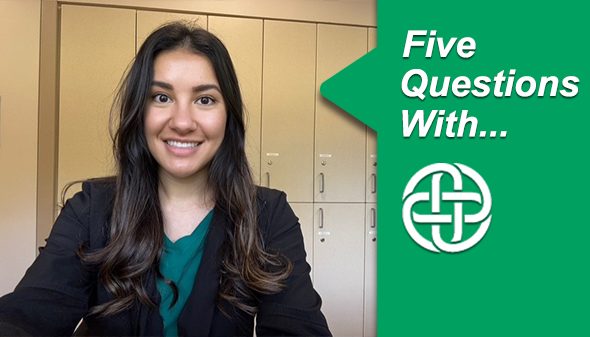
We sat down with Hummel-Kerbs to learn more about her journey, her day-to-day life and the surprising pet she once had.
What did you want to be as a kid, and how did you ultimately choose healthcare?
I didn’t have one dream job growing up — I changed my mind constantly. I started playing the harp at age 6 and ended up getting my undergraduate degree in music. After a year of life as a professional musician (which included a lot of ramen and unpredictable gigs), I began thinking about something more stable, like healthcare.
I took an anatomy and physiology class just to see if I could handle it, and surprisingly, I could! One class led to another, and eventually I found myself fully immersed in the world of science. I ultimately chose physical therapy after learning it ranked high in job satisfaction. I figured if I was going to work for the rest of my life, I might as well enjoy it.
What is your workday like?
At our Azle clinic, I work with one patient per hour, which allows for true one-on-one care. Because we’re right on the edge of the Metroplex, I see a mix of both rural and suburban patients. My day might include treating a pregnant woman experiencing pelvic pain, followed by helping a man with urinary incontinence post-prostate cancer surgery, and finally, a healthcare worker managing chronic constipation. Every day is like a medical mystery box.
Between patients, I take intentional breaks — whether it’s deep breathing, a cup of tea or a snack I don’t have to share — to recharge emotionally and physically.
What is your favorite part of your job, and what is the biggest challenge?
I love those “aha!” moments when a patient makes a breakthrough, whether it’s understanding their body better or realizing their progress. One of my favorite celebrations is when a pelvic floor patient proudly declares, “I pooped today!” and we both cheer like it’s an Olympic victory.
Working with lymphedema patients also brings me a lot of joy. Watching limbs shrink and skin heal feels like slow, steady magic.
The hardest part? When patients truly want to improve but are blocked by insurance issues or financial limitations. It’s heartbreaking when care is out of reach due to things beyond their control.
What’s something people would be surprised to know about you?
I used to have a pet potbelly pig named Puppy. I actually wanted a real puppy, but my dad said no. So, I asked if I could get a pig instead, and he sarcastically said, “Yeah, right,” not thinking I’d actually go out and get one … but I did!
How do you do your life’s best work at Texas Health?
Texas Health is an ideal place to work as an outpatient physical therapist because I get to provide uninterrupted, one-on-one care, unlike many other clinics. That dedicated time lets me understand each patient’s story, movement and personal goals. It’s this kind of connection that supports better outcomes and allows me to truly live Our Texas Health Promise.
Outside of patient care, I stay engaged through the Culture and Connection Team and the Decontamination Team — two rewarding ways to contribute beyond the treatment room.
published
